

PRP/PRF/PRF EZ GEL Treatments · Arlington Heights, IL
Scalp + Hair Stimulation PRP/PRF Treatment
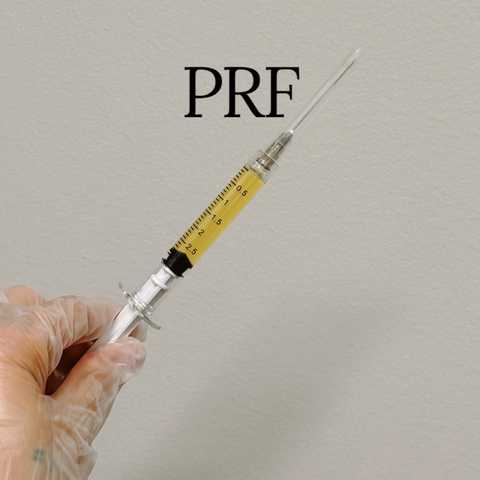
Scalp + Hair Stimulation PRP/PRF Treatment uses platelet-rich plasma to promote hair growth and rejuvenate the scalp. This minimally invasive procedure enhances blood circulation and stimulates dormant hair follicles, leading to thicker, healthier hair. Clients can expect natural results, minimal downtime, and a customized approach tailored to individual needs, all in a serene environment.
Price$650
Duration75 mins
$50 deposit required
Benefits of Scalp + Hair Stimulation PRP/PRF Treatment
$$MultiPurposeText$$
Discover the many advantages of choosing Scalp + Hair Stimulation PRP/PRF Treatment at Lumiere Medspa LLC
Scalp + Hair Stimulation PRP/PRF Treatment Gallery
$$MultiPurposeText$$
See examples of our Scalp + Hair Stimulation PRP/PRF Treatment work and results.

Meet the team
$$MultiPurposeText$$
Charmyne Echipare
What Our Clients Say
$$MultiPurposeText$$
Read testimonials from our satisfied customers

Charmz is amazing! She is very kind, reassuring and is more than happy to explain everythi...more

Charm was great at thoroughly explaining the entire process from start to finish. Her touc...more

my girlfriend saw this place on instagram and she loves this place a lot she been going he...more

Literally obsessed with my lip filler! My lips look so natural, plump, and perfectly shape...more

I can’t recommend Lumière Medspa enough! My injector truly listened to exactly what I want...more

I got a microneedling with exosomes session a few months after having my baby. My skin was...more

Frequently Asked Questions
Get answers to common questions about Scalp + Hair Stimulation PRP/PRF Treatment.
The treatment involves drawing your blood, processing it to extract platelet-rich plasma, and injecting it into the scalp to stimulate hair growth.
The procedure typically takes about 30 to 60 minutes, depending on the area being treated and individual requirements.
Clients generally experience thicker, healthier hair within a few months, with optimal results usually visible after multiple sessions.
Minimal downtime is expected; most clients can return to their normal activities shortly after the session.
Most clients benefit from a series of 3 to 6 treatments, spaced about 4 to 6 weeks apart for best results.
Side effects are generally mild and may include slight swelling or tenderness at the injection site, which resolves quickly.
Ready To Book Scalp + Hair Stimulation PRP/PRF Treatment?
$$MultiPurposeText$$
Schedule your scalp + hair stimulation prp/prf treatment appointment today and experience the difference.